
Monuments of Torrevieja
Explore Torrevieja's rich historical and cultural heritage: from ancient watchtowers that guarded the coast to iconic buildings reflecting the city's salt-mining and seafaring traditions.
The 17 Most Important Monuments of Torrevieja
Discover the architectural, maritime, and historical richness of the city's heritage
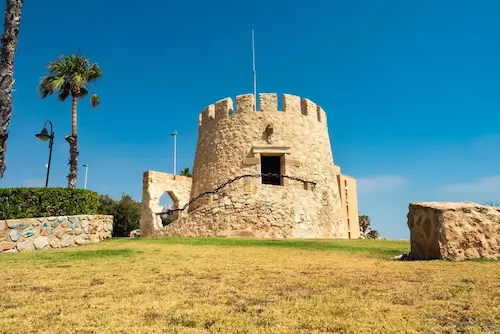
Moro Tower (Cabo Cervera)
The oldest and most iconic symbol of the city. A 14th-century coastal watchtower built to prevent attacks by Barbary pirates; it gives the city its historic name (Torre Vieja / Old Tower).
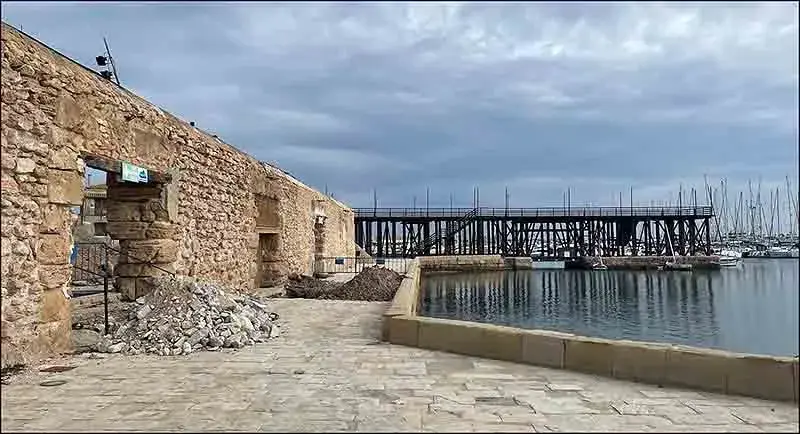
Eras de la Sal Historic Site
An 18th-century former salt loading dock and the heart of the city's industrial identity. Currently undergoing a comprehensive reconstruction project (closed to visitors).
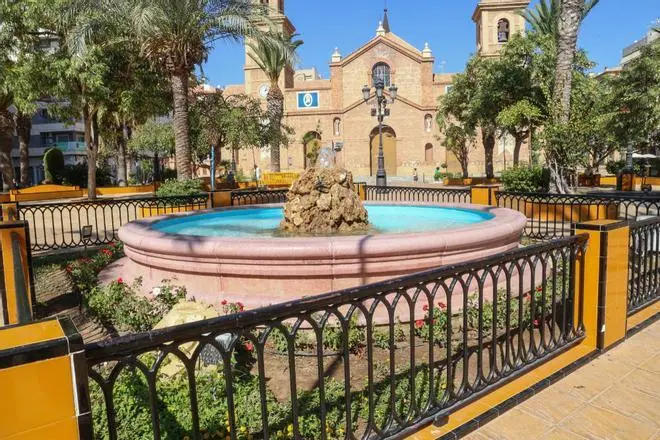
Archpriest Church of the Immaculate Conception
A neoclassical temple built after the destructive earthquake of 1829. It is the main spiritual, historical, and social center of the old town.
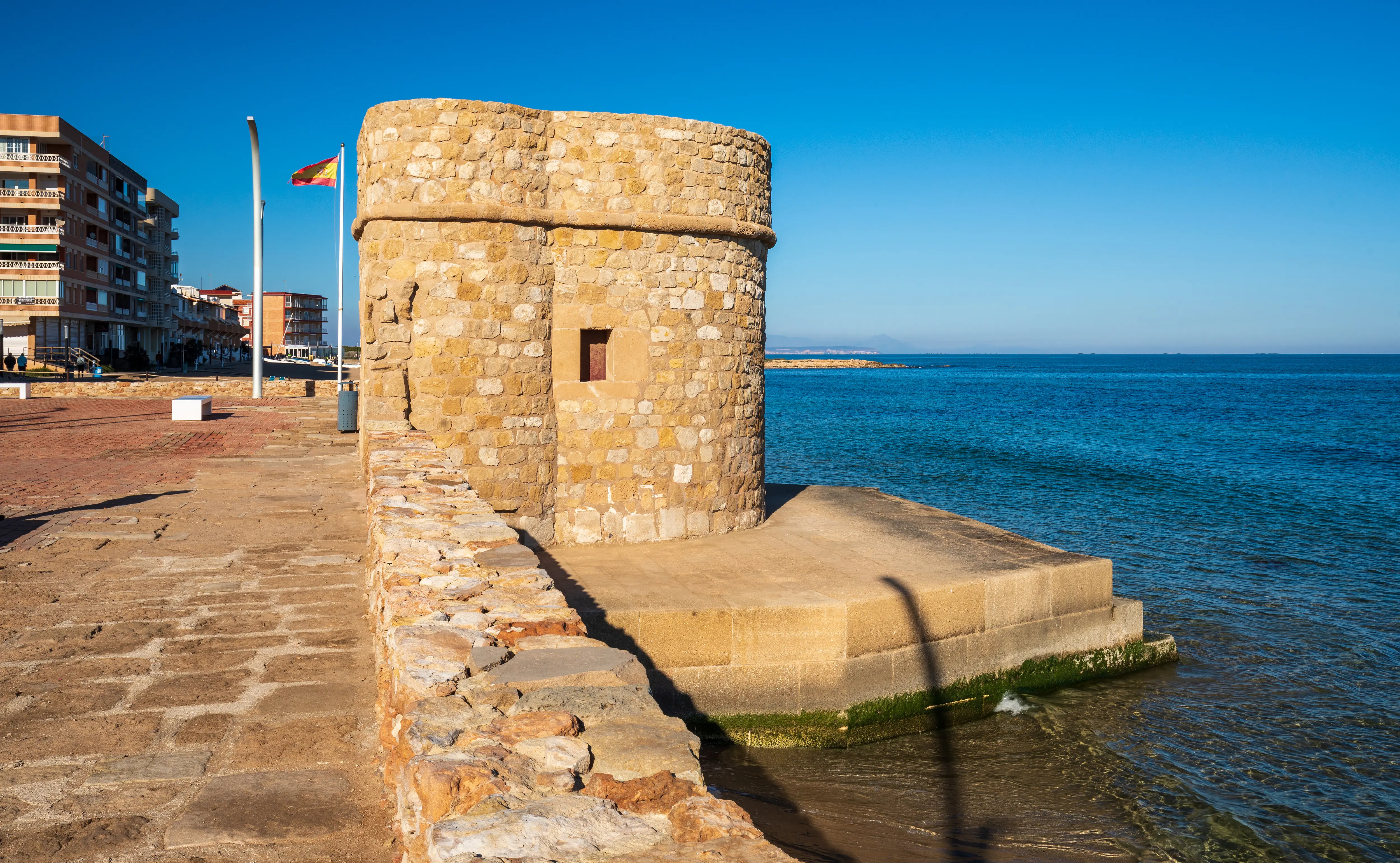
La Mata Tower
A 14th-century coastal watchtower declared an Asset of Cultural Interest (BIC), a key piece of the historic defense system next to the village of La Mata.
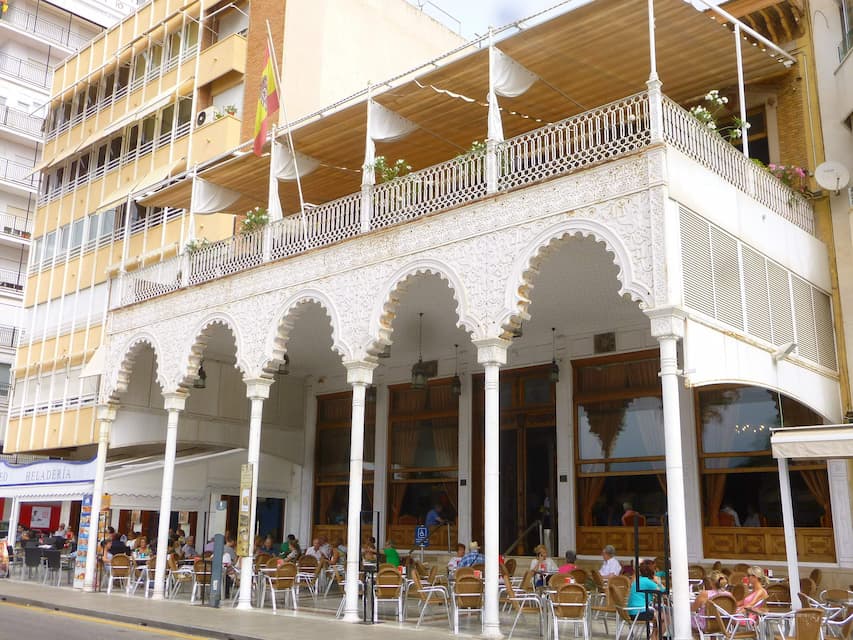
Casino Cultural Society of Torrevieja
A building featuring Modernist and Historicist architecture (1896) famous for its Nasrid-style lounge. It stands as the city's main civil architectural jewel.
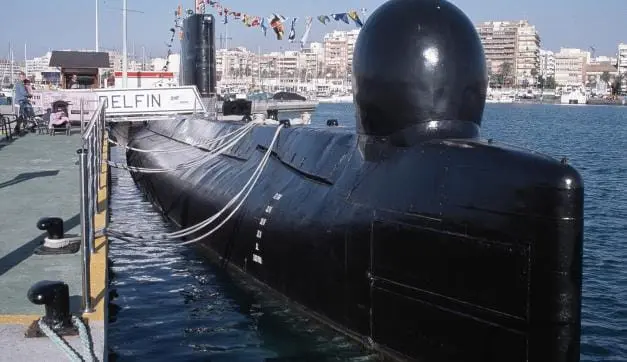
S-61 Delfín Submarine
A Spanish Navy vessel converted into the first floating museum of its kind in Spain, a landmark tourist attraction and tribute to seafaring tradition.
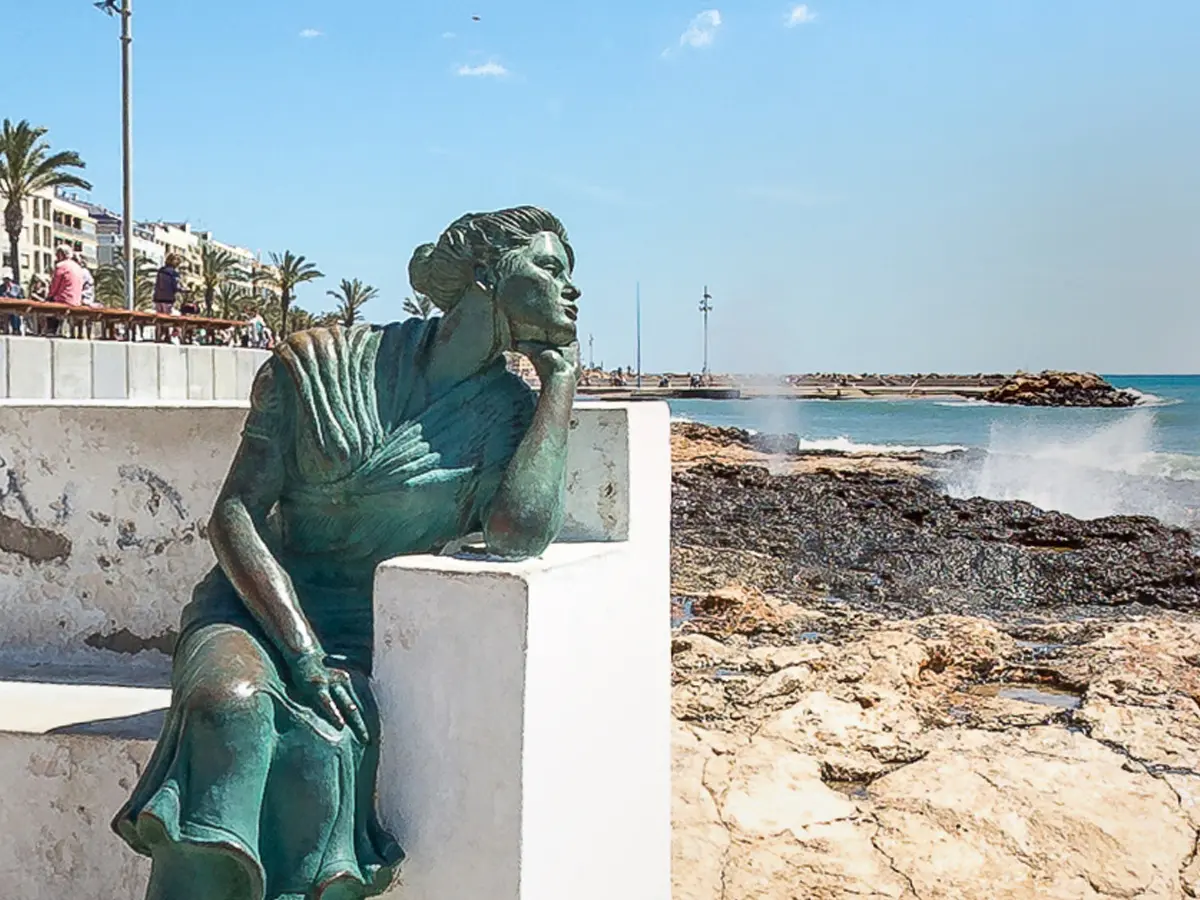
Sculpture of La Bella Lola
Located on the Juan Aparicio promenade. It represents the women of Torrevieja gazing at the sea; it is the most popular and photographed figure in the city.
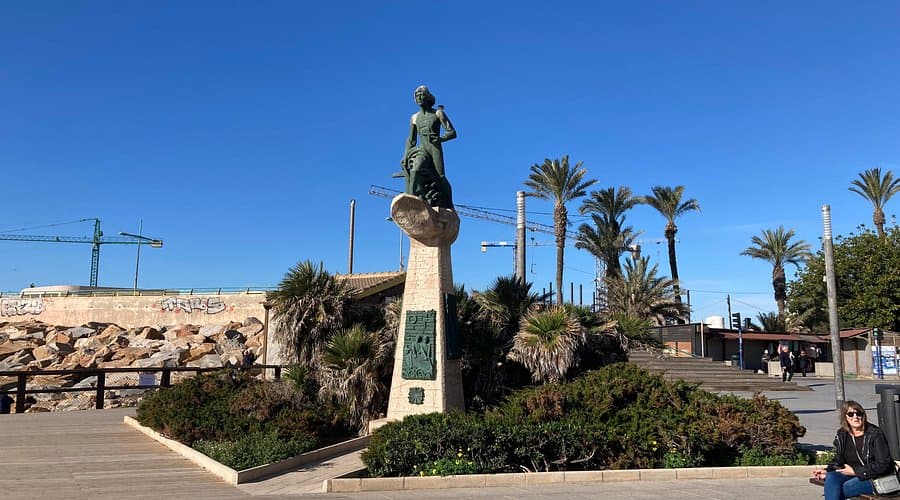
Monument to the Man of the Sea
Located next to the harbor on Paseo Vista Alegre. It honors the hard traditional labor of the fishing sector and the sailors lost at sea.
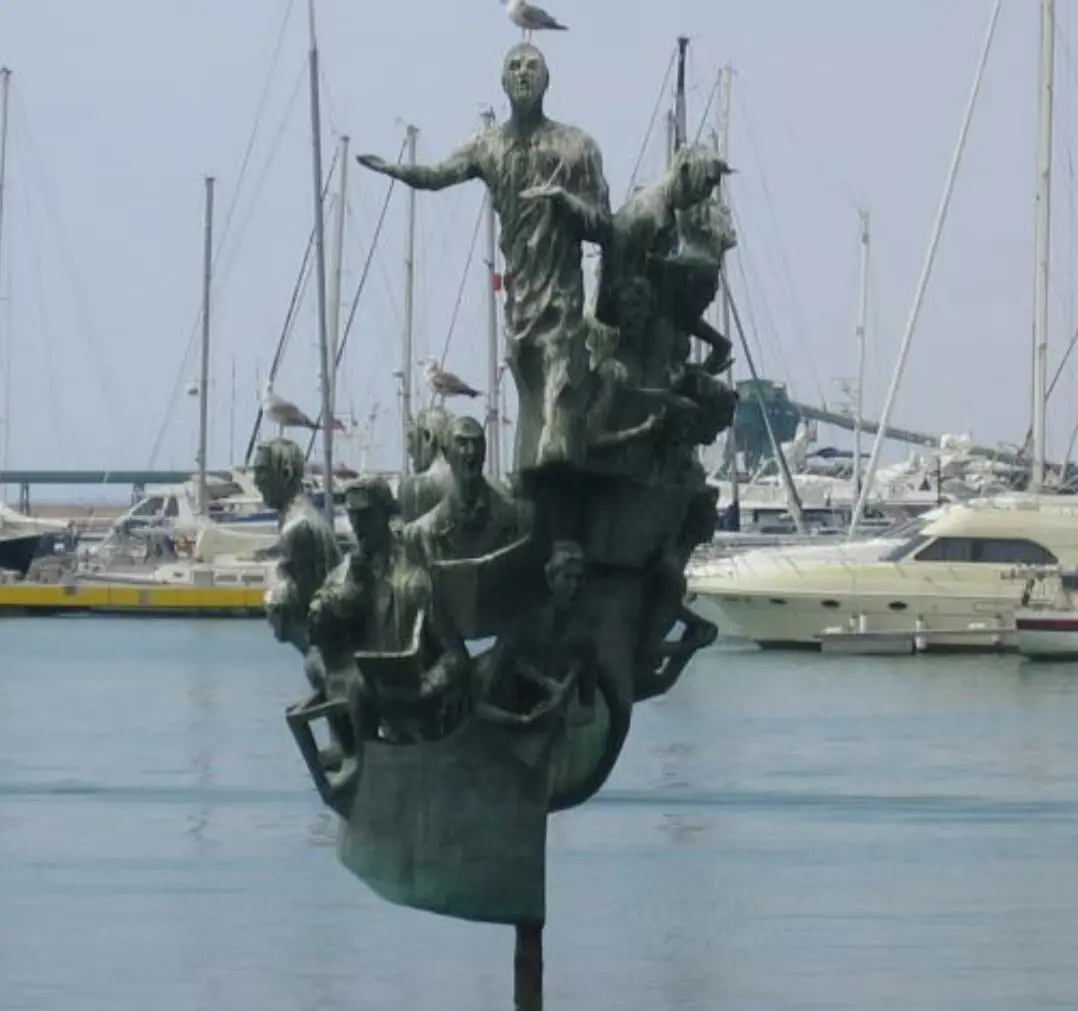
Monument to Choral Singing
A bronze sculpture set over the water near Paseo de Vista Alegre and Eras de la Sal. It pays tribute to the choirs and the International Habaneras Contest.
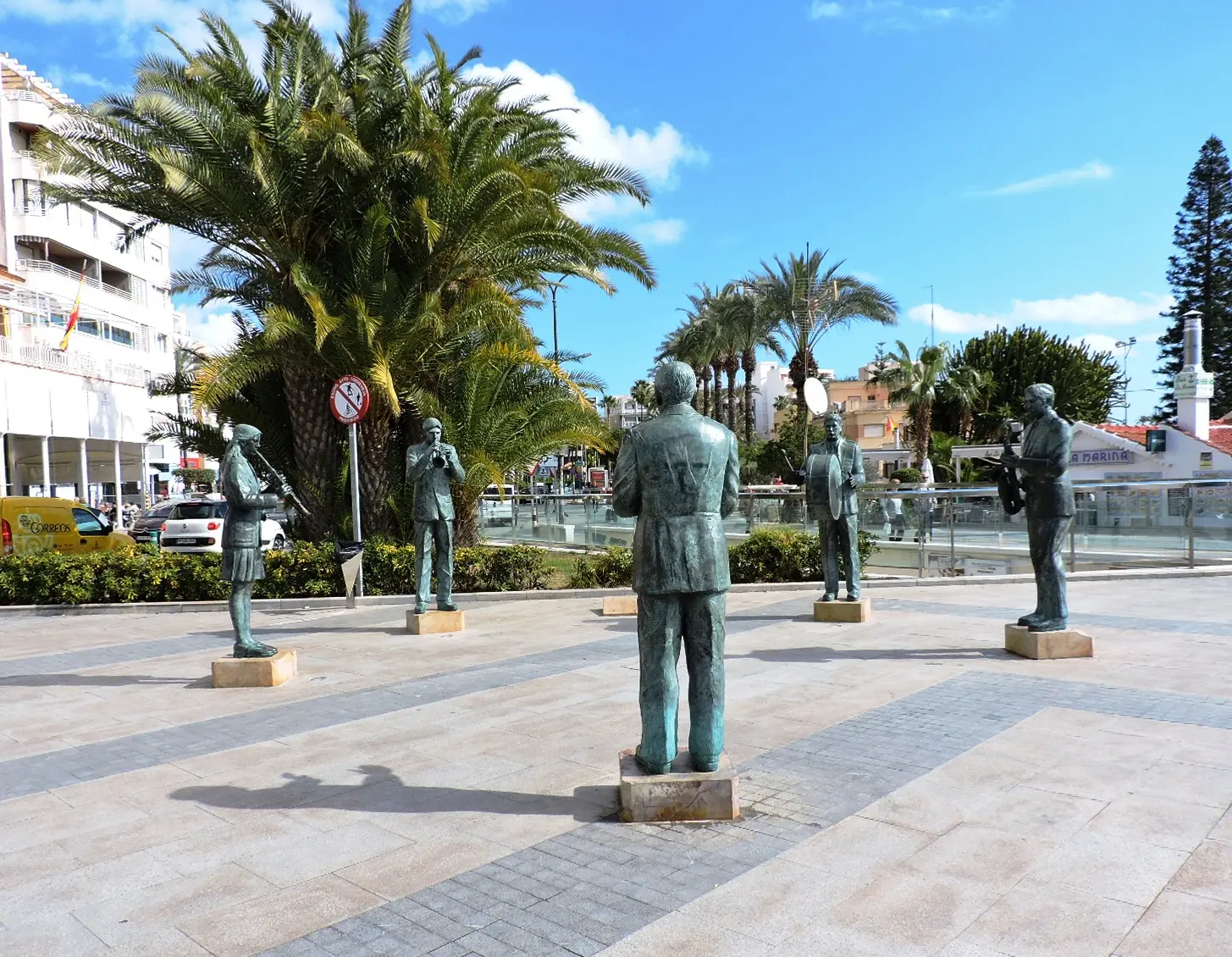
Monument to Torrevieja Musicians
A bronze artwork located on Paseo de Vista Alegre honoring the city's deep band tradition and vibrant musical culture.
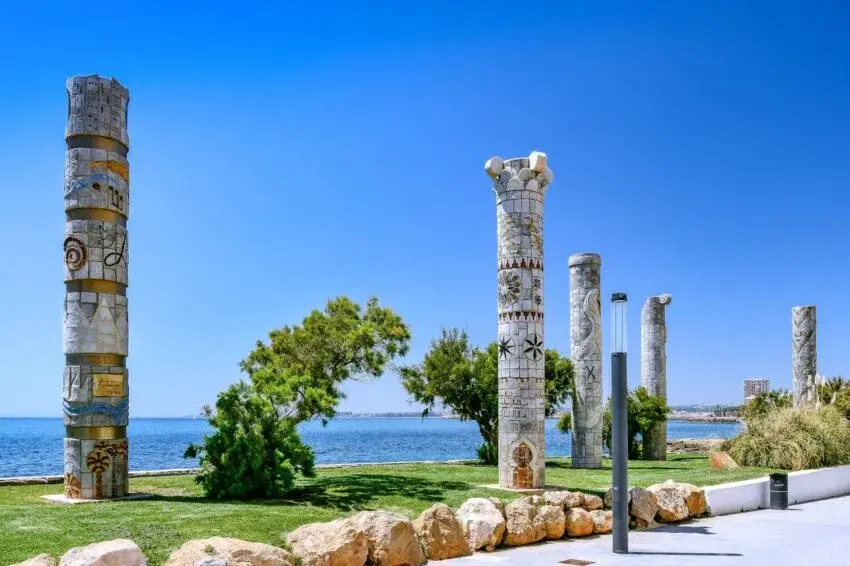
Cultures of the Mediterranean ("The Columns")
Located at Punta Carral. It represents the historical roots, the sea, and the cosmopolitan nature of the various civilizations that passed along the coastline.
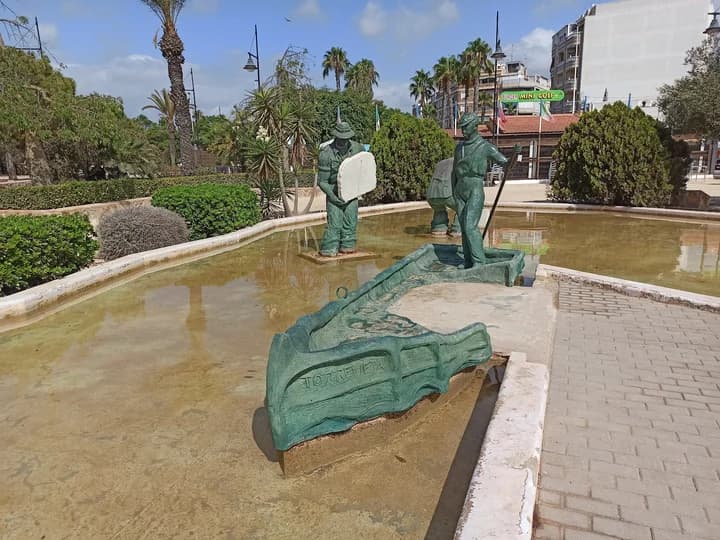
Monument to the Salt Miner
A sculpture dedicated to the workers of the Torrevieja Salt Lakes, the historical economic and industrial engine of the town.
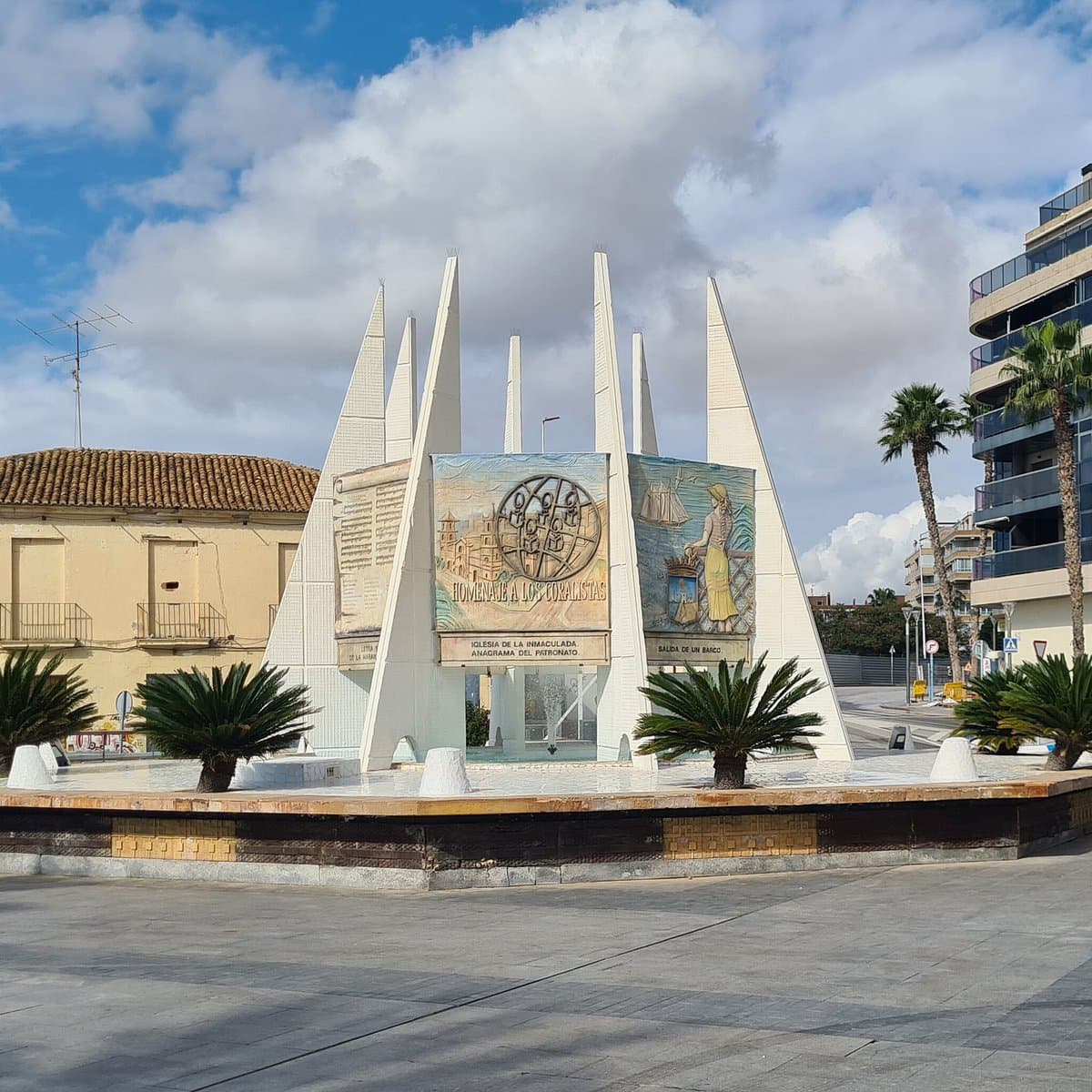
Monument to the Habanera
A work dedicated to the performance and spread of the habanera musical genre, brought back from Cuba by local sailors during the 19th century.
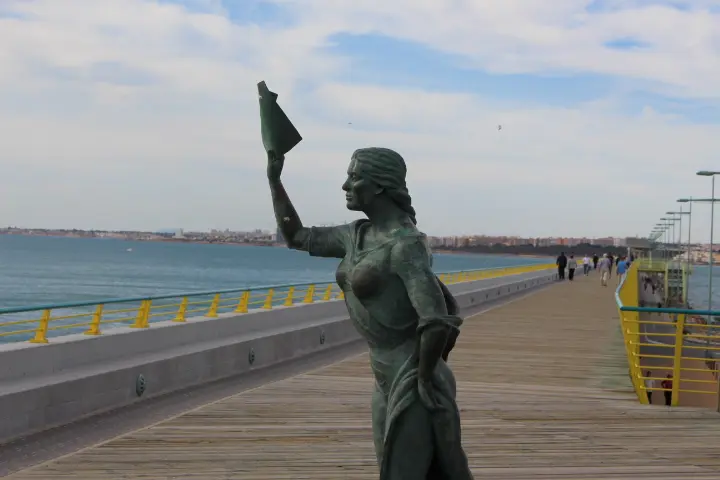
Monument to the Sailor's Wife
A sculptural group on the seafront promenade depicting a woman and her children waving or scanning the horizon, awaiting the sailors' return.
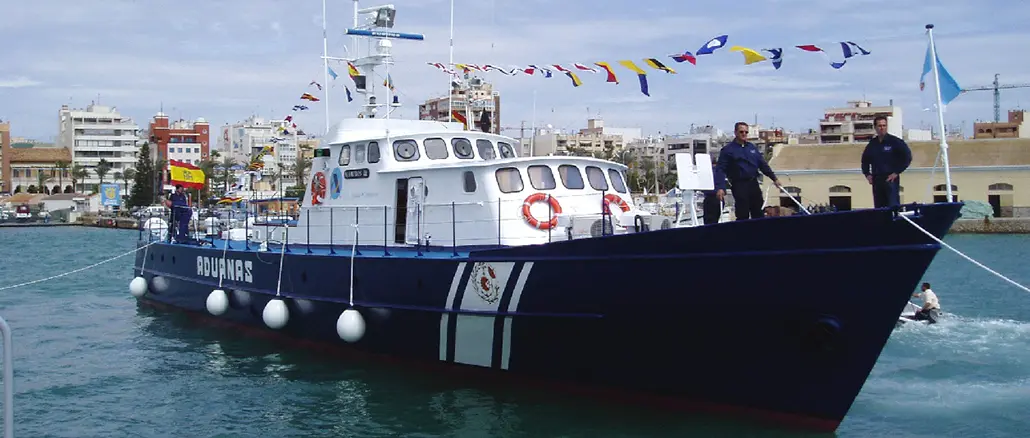
Albatros III Patrol Boat (Floating Museum)
A repurposed former customs surveillance vessel that complements the floating maritime museum experience in the city's harbor.
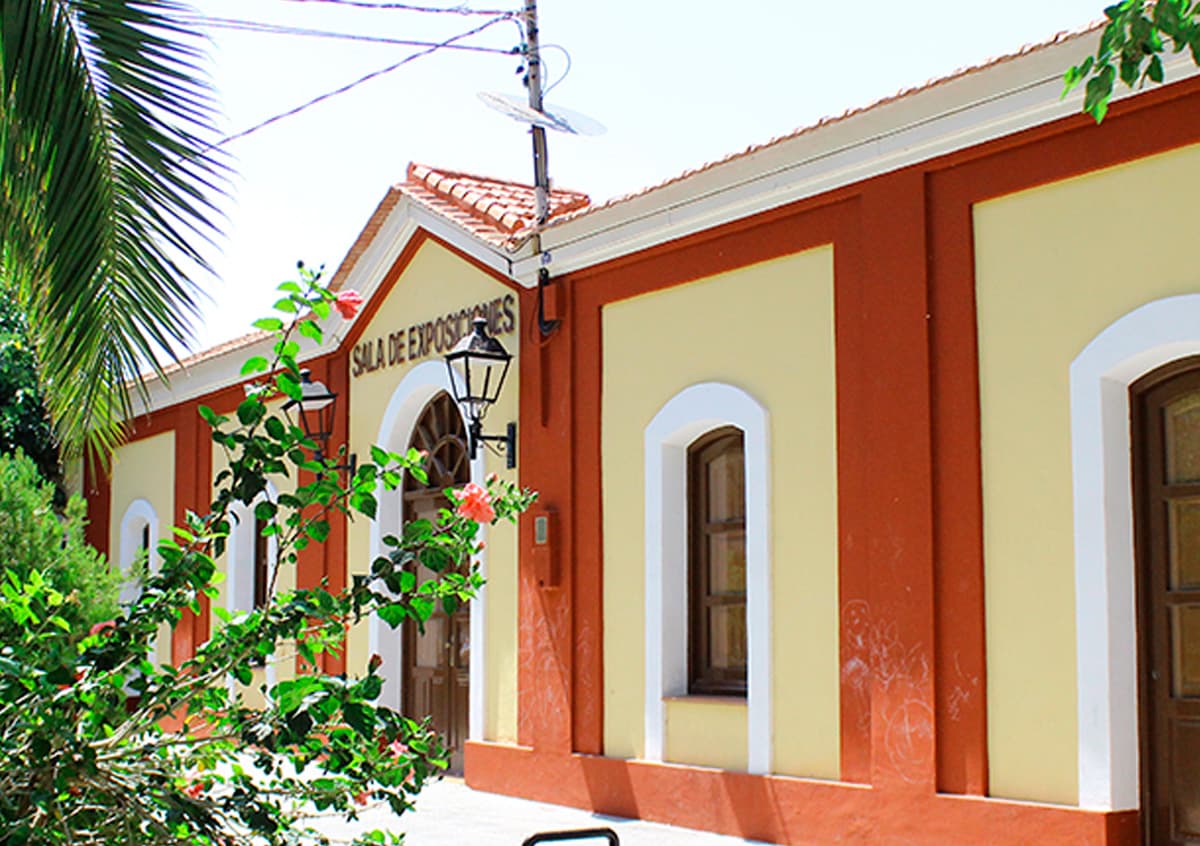
Old Railway Station
An important remnant of 19th-century industrial heritage that connected Torrevieja's salt production with the interior of Spain.
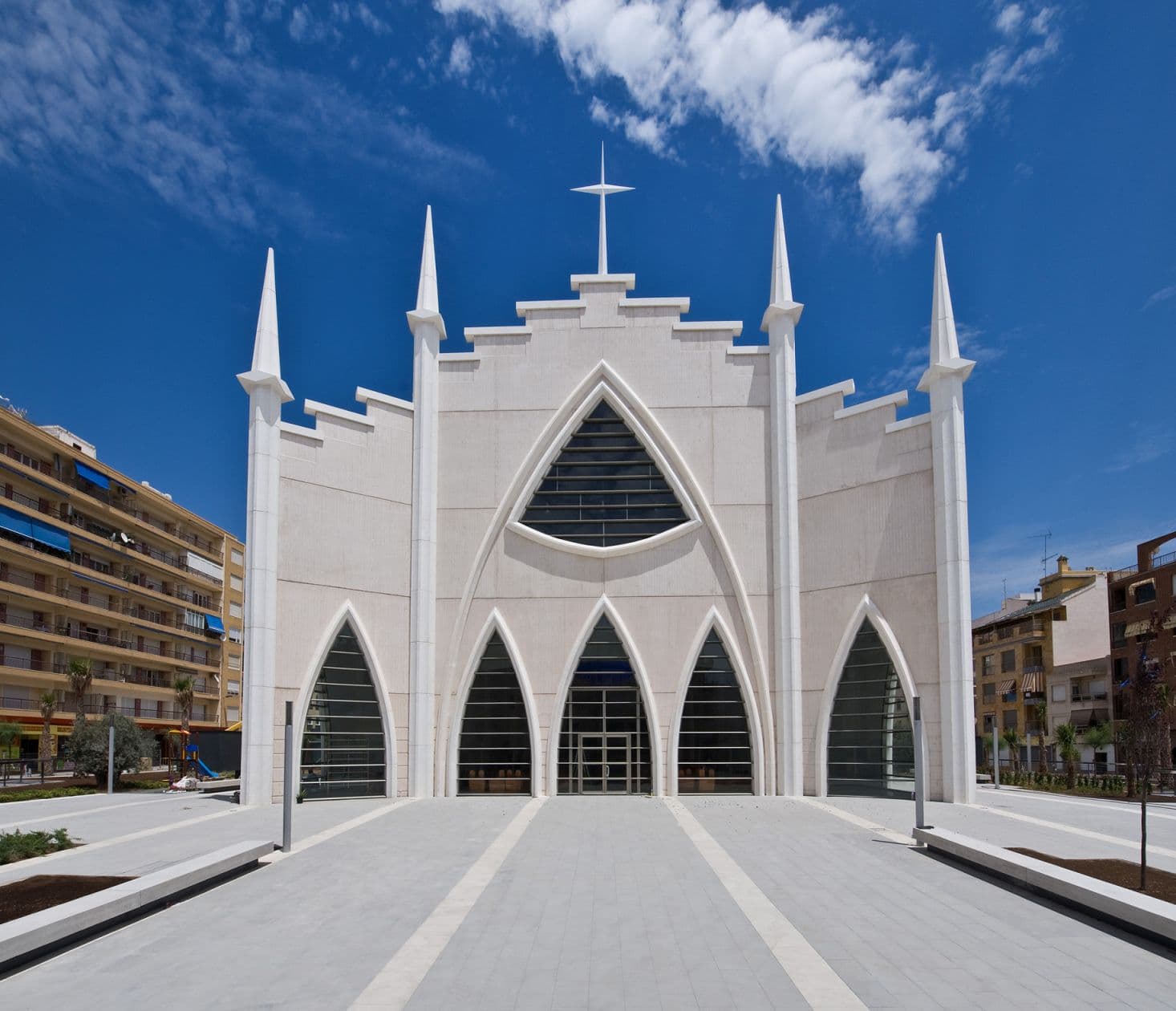
Parish of the Sacred Heart of Jesus
A modern church located in Plaza de Oriente, whose slender tower stands out prominently in the area's urban skyline.
Visitor Recommendations & Regulations
Tips for the Walking Tour
To make the most of Torrevieja's historical and sculptural heritage, keep these recommendations in mind before starting your route:
- Walking urban route: The vast majority of monuments (Casino, Church, Eras de la Sal, and promenade sculptures) are located within short walking distance and can be easily explored on foot.
- Tickets & floating museums: Check opening hours in advance for harbor museum ships, such as the S-61 Delfín Submarine and the Albatros III Patrol Boat.
- Best light hours: Visit the Moro Tower and seafront monuments at sunset to enjoy spectacular views alongside the Mediterranean Sea.
Heritage Preservation
These monuments and sculptures represent Torrevieja's seafaring, salt-mining, and cultural identity that we must all protect together.
- Free public access: All outdoor sculptures located in public squares and coastal promenades can be enjoyed for free at any time.
- Photography & video: Taking photos and recording videos for personal memories is allowed across all historical spots and city sculptures.
- Protection of historic assets: Climbing, mounting, or leaving graffiti and inscriptions on sculptures or protected towers is strictly prohibited.
- Respect for sacred and cultural sites: Please maintain proper quiet conduct and dress respectfully inside the Church of the Immaculate Conception and the Casino Cultural Society.
Discover the Monuments of Torrevieja: Heritage, History, and Sculpture
The monuments of Torrevieja form an essential itinerary to understand the historical evolution and soul of the Costa Blanca. From 14th-century defensive watchtowers like the Moro Tower to gems of civil architecture such as the Casino of Torrevieja and the historical Eras de la Sal, the city pays constant tribute to its seafaring, salt-mining roots and its deep-seated musical tradition.
Legacy & History
14th-century watchtowers built against Barbary pirates and historical 18th-century salt loading facilities reflect the town's origins.
Sculpture Route
A collection of open-air sculptures along seafront promenades pays tribute to La Bella Lola, sailors, musicians, and the habanera tradition.
Unique Museums
Innovative museum spaces in the harbor, such as the S-61 Delfín Submarine, offer an immersive cultural experience for the whole family.