
The Coves of Torrevieja
Discover the hidden gems of the Torrevieja coastline: peaceful rocky spots and crystal-clear waters ideal for snorkeling, swimming, and relaxing away from the crowds.
Environment
Coves & Rocks
Access
Stairs & Ramps
Parking
Nearby Areas
Highlight
Snorkeling & Relax
Map and Gallery of the Coves of Torrevieja
Explore the best coves divided by coastal sectors and access their exact location on Google Maps with a single click.
📍 North Sector (Cabo Cervera & La Mata)
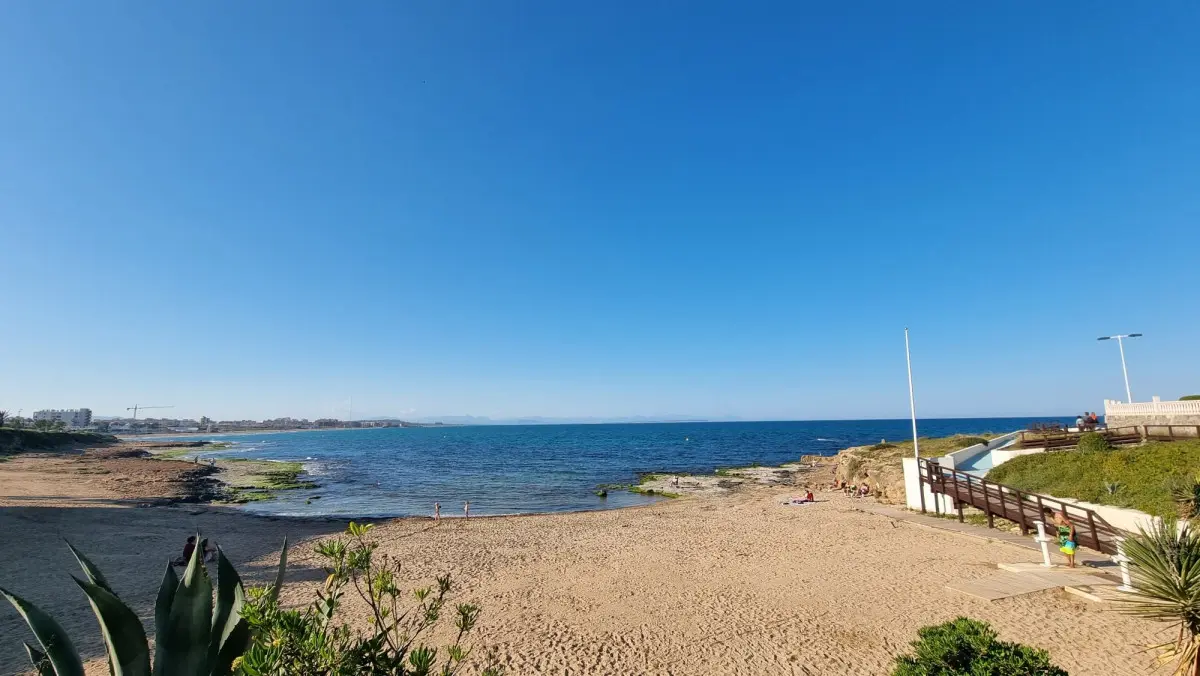 Sand & Rock
Cala Cabo Cervera
Located next to the historic cape, offering crystal-clear waters ideal for swimming and recreational fishing.
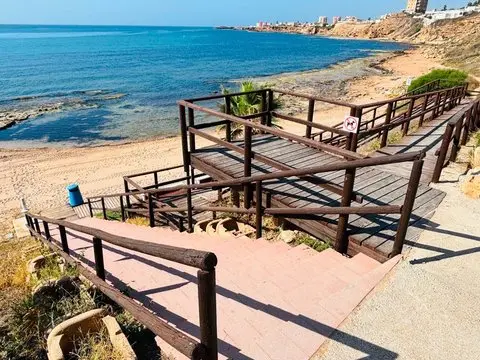 Natural Setting
Cala del Moro
A quiet rocky cove surrounded by low cliffs, featuring excellent underwater visibility.
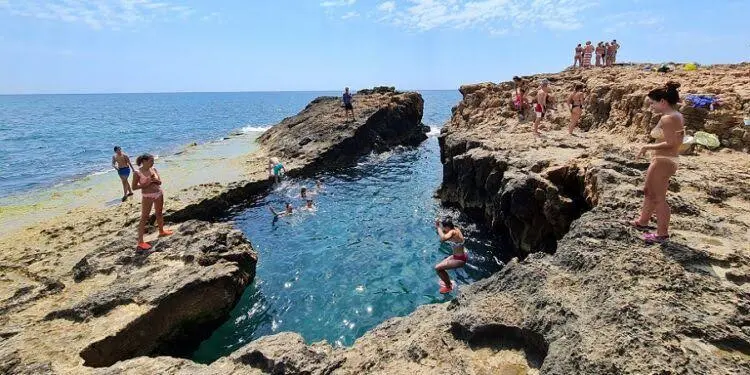 Snorkeling
Cala de la Zorra
A small cove with pristine waters, sheltered by rocky outcrops and far from the crowds.
📍 Central Sector (Urban & Promenade)
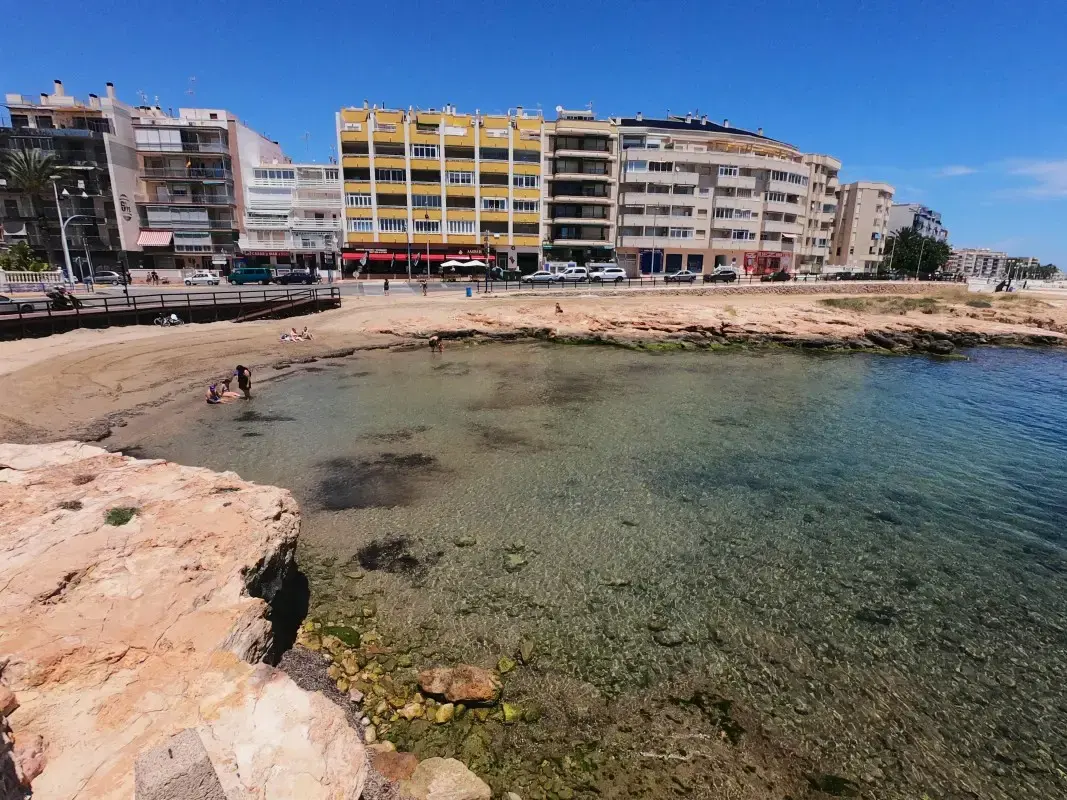 Accessible Entrance
Cala del Palangre
Located on the curve of Playa del Cura, featuring an access ramp, fine sandy sea floor, and rocky sides.
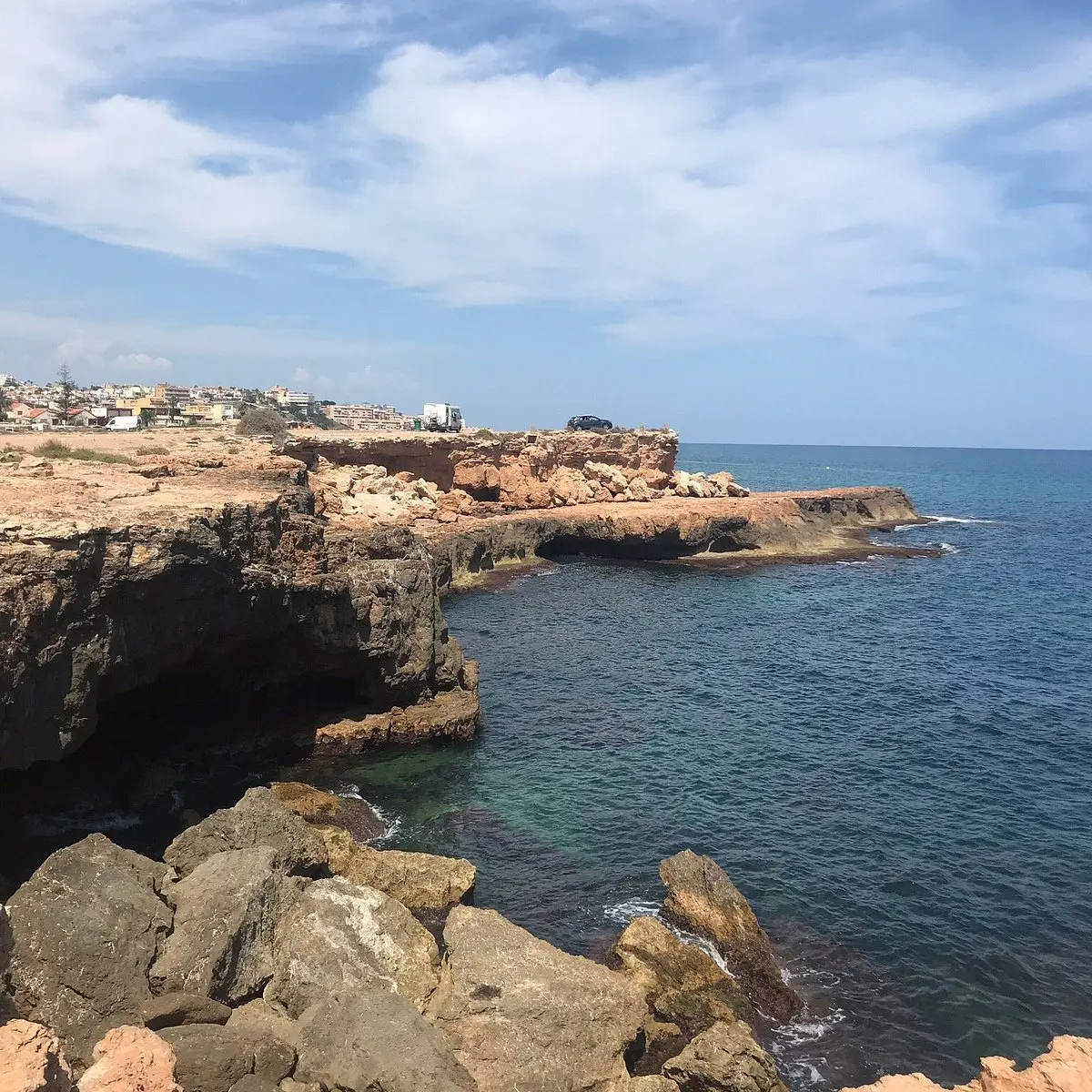 Low Cliff
Cala Cornuda
A rocky cove situated between Playa de Los Locos and the northern coves, perfect for capturing sunsets.
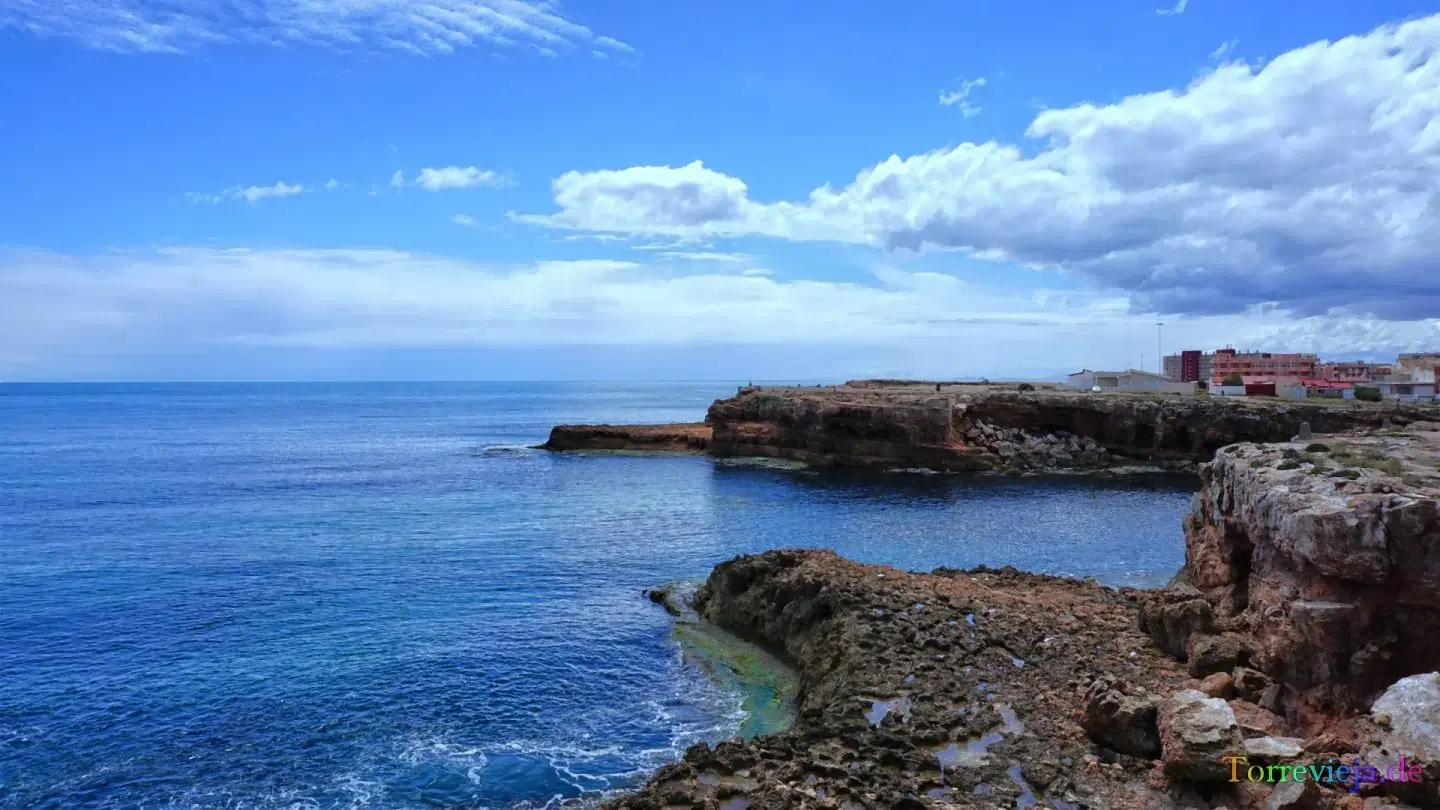 Quiet
Quiet
Cala Gambote
A charming natural rock shelter, ideal for those seeking privacy and afternoon shade.
📍 South Sector (La Veleta & Punta Prima)
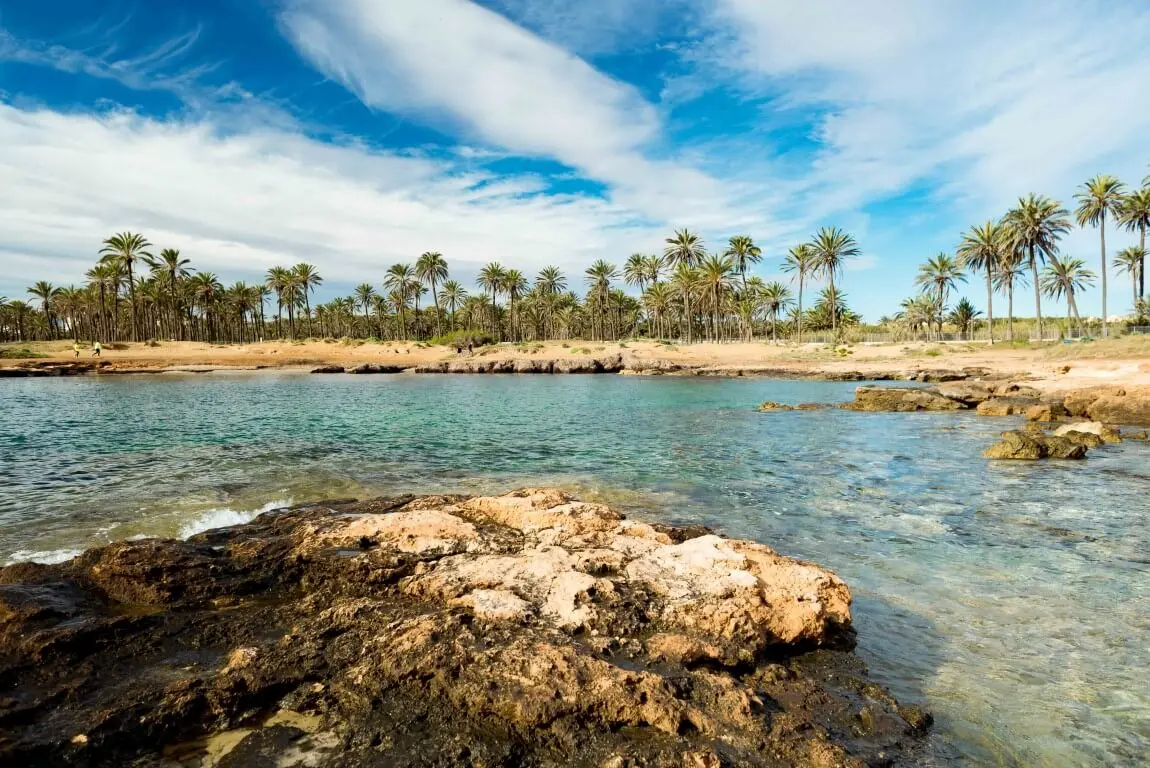 Palm Grove & Posidonia
Cala Ferris
Torrevieja's most iconic cove, famed for its untouched palm grove, sand dunes, and Posidonia seagrass meadows.
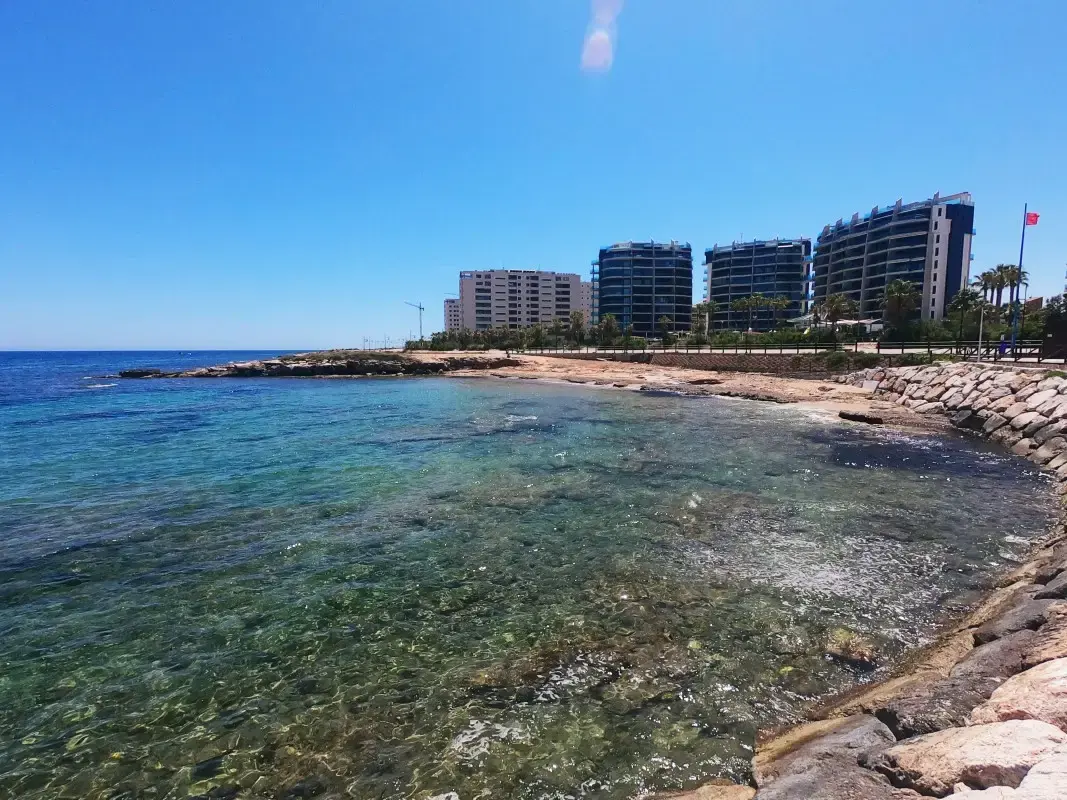 Blue Flag
Cala Piteras
A cove bordering Orihuela Costa that features a promenade, accessible entrance, and great diving spots.
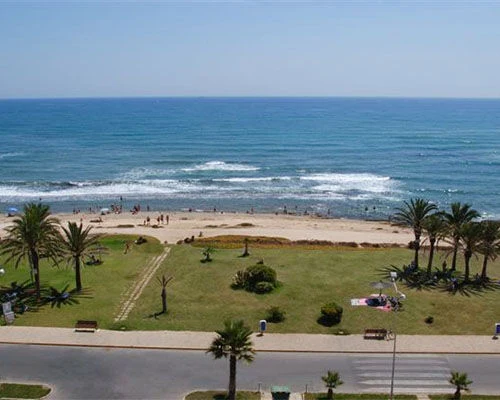 Residential
Cala de la Veleta
A peaceful rocky cove located right in front of La Veleta residential area, ideal for gentle seaside walks.
Recommendations and Guidelines for Your Visit
Equipment and Tips
To make the most of Torrevieja's natural and rocky coves, keep these practical recommendations in mind before heading out:
- Proper footwear: Water shoes or booties are essential to safely access the sea across rocky areas.
- Snorkeling gear: Bringing a mask and snorkel will let you explore marine life and underwater meadows in crystal-clear waters.
- Sun protection and shade: Many coves preserve a wild environment without umbrella rentals; bring biodegradable sunscreen and your own sunshade.
Environmental Conservation
The coves shelter fragile coastal ecosystems and Posidonia oceanica meadows that require collective protection.
- Free and public access: You can enjoy all coves freely throughout the day.
- Photography and observation: An ideal setting to watch marine wildlife and take pictures of the natural coast.
- Posidonia protection: Damaging or removing marine plant life and lighting fires on rocks is strictly prohibited.
- Pets during bathing season: Dogs are not allowed on sand/rocks during peak summer season (except in designated dog-friendly areas).
What Will You Find in Torrevieja's Coves?
Seabed Life
Crystal-clear waters ideal for snorkeling and marine life spotting
Protected Meadows
Posidonia oceanica ecosystems that purify the water naturally
Pristine Surroundings
Low cliffs, rocky outcrops, and stunning sunset views
Varied Access Points
From accessible ramps and promenades to natural rock steps
Quick Guide and Key Facts for Your Visit
Answers to frequently asked questions for exploring the coastline of Torrevieja's Coves
🌊 How many coves are there in Torrevieja and where are they located?
Torrevieja features over a dozen coves distributed mainly across two areas: the northern coast (from Cabo Cervera and Torre del Moro down to the urban waterfront) and the southern sector (Cala Piteras, Cala Ferris, and the boundary with Punta Prima).
🤿 Is it essential to wear water shoes or booties for swimming?
Highly recommended. Except for a few small sandy inlets, most coves have rocky platform access, uneven edges, and sea urchins in shallow areas. Water shoes ensure a comfortable and safe swim.
🎟️ Is access free, or are there schedule restrictions?
All coves in Torrevieja belong to the public maritime-terrestrial domain and feature completely free, open access 24 hours a day, all year round.
♿ Are there coves adapted for people with reduced mobility?
Yes. Options such as Cala Piteras feature access ramps and an adapted promenade. Other coves like Cala del Palangre or Cala Cornuda provide nearby paved access before reaching the rocky shore.
🐾 Are dogs allowed at the coves?
During the bathing season (June through October), municipal regulations prohibit pets on the sand and rocks of the municipal beaches. Outside this period or along adjacent promenades, pets are permitted on a leash.
🌿 Why is Posidonia seagrass protected in the coves?
Posidonia oceanica is a vital marine plant that oxygenates the water, filters sand, and provides shelter for local marine life. Its presence indicates high biological quality and excellent water clarity throughout Torrevieja.
Explore Torrevieja's Coves: Natural Hideaways and Crystal-Clear Waters
The Torrevieja Coves form one of the most diverse and captivating coastal stretches along the Costa Blanca. Spread across more than 14 kilometers of coastline in the province of Alicante, these rocky inlets—such as Cala Cornuda, Cala Piteras, or the iconic Cala Ferris—offer a tranquil alternative to large sandy beaches, featuring marine seabeds rich in biodiversity and unique cliffside scenery.
Snorkeling Haven
The combination of rocky platforms and Posidonia oceanica meadows creates a crystal-clear marine habitat ideal for freediving and spotting coastal fish species.
Diverse Settings
From urban coves connected to seaside promenades with accessible amenities, to secluded natural landscapes like the maritime palm grove at Cala Ferris.
Swimming Tips
Free access year-round. Wearing water shoes or booties is recommended to safely navigate and enter the sea over the natural rock surfaces.